What Is Obesity?
Obesity means having too much body fat. It is more than just being overweight. According to the World Health Organization (WHO), obesity happens when your body mass index (BMI) is 30 or higher. Today, obesity affects millions of people worldwide. In fact, rates have tripled since 1975. Because of this, many people now face health problems linked to obesity, including heart disease.
How Does Obesity Affect Heart Health?
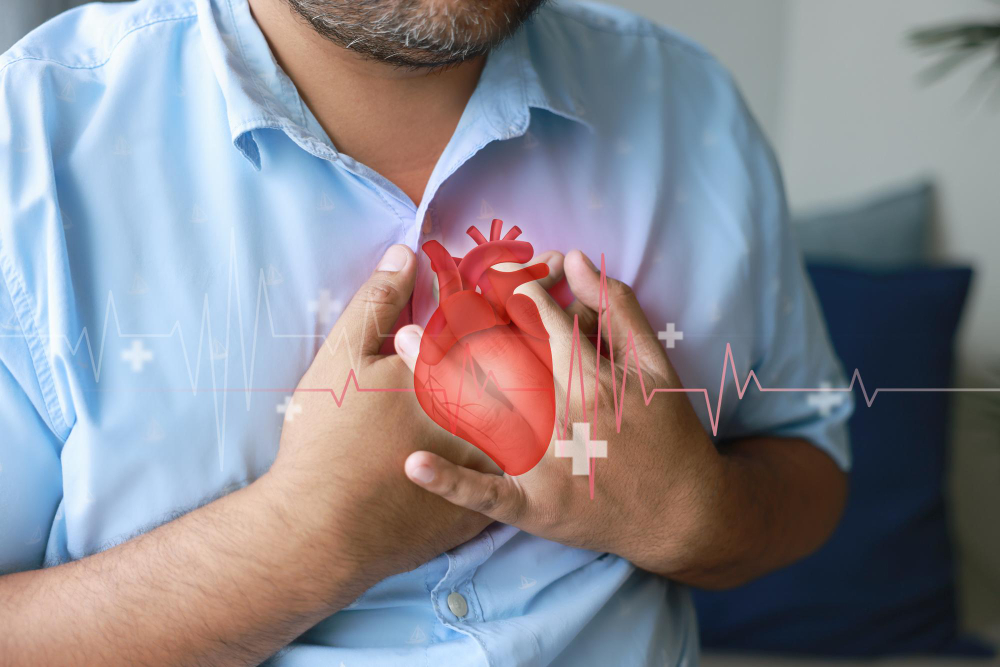
Obesity and heart health are closely connected. When you carry extra weight, your heart works harder to pump blood. As a result, this strain can damage your heart over time. For example, obesity can raise blood pressure and cholesterol levels. Both of these increase the risk of heart disease. In addition, extra fat can cause inflammation in your body. This makes it easier for arteries to become blocked. Blocked arteries can lead to heart attacks or strokes. According to the CDC, people with obesity are more likely to develop heart problems than those at a healthy weight.
Common Symptoms and Warning Signs
Obesity itself may not cause symptoms. However, it can lead to warning signs of heart problems. Watch for these signs:
If you notice these symptoms, seek medical help right away. Early action can protect your heart.
Causes and Risk Factors for Obesity-Related Heart Problems
Many things can increase your risk of obesity and heart health issues. For instance, eating high-calorie foods and not getting enough exercise can lead to weight gain. Genetics also play a role. Some people are more likely to gain weight due to their family history. Other risk factors include:
Because these factors often work together, it is important to address them early.
Diagnosis: How Doctors Assess Obesity and Heart Health
Doctors use several tools to check for obesity and heart health risks. First, they measure your BMI. Next, they may check your waist size. A larger waist can mean more risk. In addition, doctors often order blood tests. These tests look for high cholesterol, blood sugar, or signs of inflammation. Sometimes, doctors use heart tests like an electrocardiogram (ECG) or an echocardiogram. These tests show how well your heart is working. By combining these results, doctors can create a plan that fits your needs.
Treatment Options for Obesity and Heart Health
Treating obesity can greatly improve heart health. Most treatment plans include lifestyle changes. For example, eating a balanced diet and getting regular exercise are key steps. Doctors may also suggest:
Because every person is different, your doctor will help choose the best plan for you.
Prevention Tips and Healthy Lifestyle Guidance
Preventing obesity and heart health problems starts with small changes. Try these tips:
Even small steps can make a big difference over time. In addition, regular check-ups help catch problems early.
Frequently Asked Questions (FAQs)
Can losing weight improve heart health?
Yes. Even a small weight loss can lower your risk of heart disease. It can also improve blood pressure and cholesterol.
Are children at risk for obesity-related heart problems?
Yes. Childhood obesity can lead to heart issues later in life. Early healthy habits are important for kids too.
What is the best diet for heart health?
A diet rich in fruits, vegetables, lean proteins, and whole grains supports both weight loss and heart health.
How often should I check my heart health?
See your doctor at least once a year. However, if you have risk factors, you may need more frequent checks.
Conclusion
Obesity and heart health are closely linked. By understanding the risks and making healthy choices, you can protect your heart. Consult a healthcare professional at Bharti Hospital for personalized advice on managing obesity and protecting your heart health.